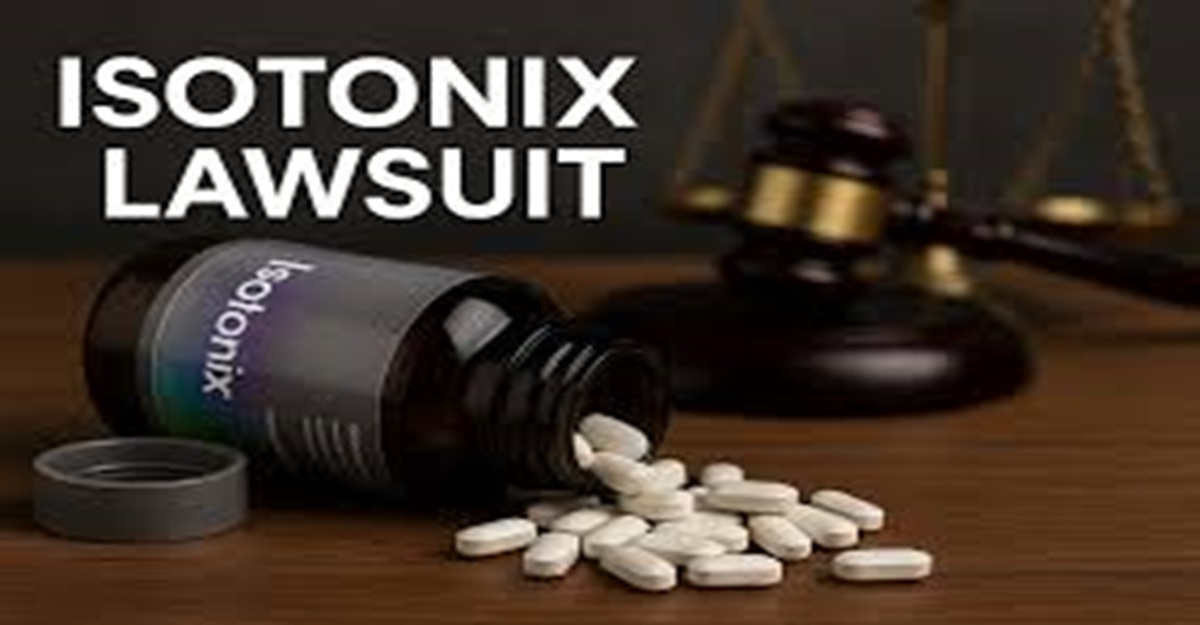
The Isotonix lawsuit has intensified scrutiny of dietary supplement marketing, health-related advertising, and multi-level marketing (MLM) business practices across the United States. The case stems from allegations that Isotonix products were promoted using exaggerated or misleading health claims that lacked sufficient scientific support. Consumers claim they were led to believe the supplements offered medical or therapeutic benefits beyond what is legally permitted, while former distributors allege they were recruited using income promises that did not accurately reflect typical earnings or financial outcomes.
These claims have drawn increased legal and regulatory attention, raising broader concerns about consumer protection, advertising transparency, and corporate accountability within the dietary supplement and multi-level marketing (MLM) industries. Central to the dispute are questions regarding the legality of certain marketing practices, the conduct of independent distributors, and the level of oversight exercised by the company.
This article examines the Isotonix lawsuit in detail, outlining the primary allegations, the role of the FDA, the current legal status of the case, and what the lawsuit could mean for consumers and distributors going forward. The goal is to provide clear, accurate information that helps readers understand the legal issues, potential risks, and possible remedies connected to the dispute.
What Is Isotonix?
Isotonix is a brand of powdered dietary supplements marketed and sold through Market America, a U.S.-based multi-level marketing (MLM) company. Unlike traditional supplements that are taken in pill or capsule form, Isotonix products are designed to be mixed with water and consumed as a liquid.The company promotes this format as part of its proprietary “isotonic delivery system,” which it claims allows nutrients to be absorbed more efficiently by the body.
According to Market America, isotonic supplements are formulated to closely match the body’s natural fluid concentration, which the company claims allows nutrients to move through the digestive system more efficiently. Marketing materials and distributor promotions often suggest that this approach results in faster absorption and increased bioavailability when compared to conventional supplements However, critics argue that many of these claims lack sufficient independent scientific evidence, an issue that has become central to the ongoing legal and regulatory scrutiny
Isotonix products are sold primarily through independent distributors rather than traditional retail stores or pharmacies. These distributors earn commissions through direct product sales as well as by recruiting additional participants into the multi-level marketing (MLM) network operated by Market America. This sales structure has drawn criticism and legal challenges, particularly from former distributors who allege they were encouraged to invest significant sums of money based on promises of superior products and substantial income potential.
Some of the most widely promoted Isotonix products include Isotonix OPC-3, an antioxidant supplement marketed for overall wellness; Isotonix Multivitamin, promoted as a daily nutritional supplement; and Isotonix Digestive Enzymes, which are advertised as supporting digestion and nutrient absorption. These products, along with others in the Isotonix lineup, are central to the allegations raised in the lawsuit, particularly with respect to how their health benefits were marketed and represented to consumers.
Why Is Isotonix Facing a Lawsuit?
The Isotonix lawsuit is based on allegations that the company and certain independent distributors engaged in misleading and deceptive practices that violated consumer protection and advertising laws. Plaintiffs claim that Isotonix products were marketed in ways that went beyond what is legally allowed for dietary supplements, creating false expectations about both health benefits and financial opportunities. These practices allegedly affected consumers who purchased the products as well as individuals who joined the business as distributors.
One of the primary allegations involves the promotion of Isotonix supplements as treatments or solutions for serious medical conditions. According to the lawsuit, marketing materials and distributor statements suggested that certain products could help prevent, manage, or improve illnesses such as heart disease, diabetes, cancer, and immune disorders. Under U.S. law, dietary supplements are prohibited from making disease-treatment claims unless they have received approval as drugs, which Isotonix products have not.
Another key issue raised in the lawsuit is the use of scientific language and absorption claims that plaintiffs argue are not supported by reliable or independent evidence. Statements about superior bioavailability, rapid absorption, or enhanced effectiveness allegedly gave consumers the impression that Isotonix products were clinically proven, when such proof was either limited or nonexistent.
The lawsuit also highlights allegations of deceptive income representations made to potential distributors. Former participants claim they were promised financial success, passive income, or long-term earnings through the Market America business model, but most reportedly earned little to no profit after accounting for product purchases, fees, and marketing expenses. Plaintiffs argue that these income claims did not accurately reflect the typical distributor experience.
Finally, critics of the company allege that the MLM structure placed excessive emphasis on recruitment rather than retail sales, raising concerns that the business model may resemble an illegal pyramid scheme. While Market America denies these claims, the lawsuit argues that distributor compensation was largely tied to enrolling new members instead of selling products to genuine retail customers.
False Health Claims Allegations
Plaintiffs claim that Isotonix supplements were advertised as helping prevent or treat conditions such as:
- Heart disease
- Diabetes
- Cancer
- Arthritis
- Immune system disorders
According to U.S. law, dietary supplements cannot claim to diagnose, treat, cure, or prevent diseases without FDA approval. The lawsuit alleges that Isotonix crossed this legal boundary through distributor marketing and promotional materials.
FDA Warning Letter and Regulatory Action
One of the strongest elements of the Isotonix lawsuit is regulatory scrutiny.
The U.S. Food and Drug Administration (FDA) issued a warning letter to Market America after finding that certain Isotonix products were being marketed as unapproved drugs. The FDA stated that disease-related claims made these supplements illegal under federal law.
Following the warning, Market America reportedly modified some product descriptions and marketing language.
Pyramid Scheme and Income Claims
A significant portion of the Isotonix lawsuit focuses on allegations related to income misrepresentation and the structure of the business itself. Former distributors claim that Market America placed greater emphasis on recruiting new members than on selling Isotonix products to retail customers. According to these allegations, recruitment was often presented as the primary path to financial success, while actual product sales played a secondary role in earning commissions.
Many former distributors allege they were promised financial independence, passive income, or long-term wealth through participation in the company’s MLM program. However, plaintiffs claim that these promises did not align with reality. According to the lawsuit, most distributors earned little to no profit after accounting for required product purchases, monthly fees, training costs, and marketing expenses. In many cases, expenses allegedly exceeded commissions, leaving participants with financial losses rather than income.
The lawsuit further argues that promotional success stories highlighted by the company or individual distributors were rare and not representative of the average participant’s experience. Plaintiffs claim these examples created a misleading impression of typical earnings and influenced others to join under false assumptions. Such allegations are common in MLM-related lawsuits and are now a central part of the legal scrutiny surrounding Isotonix and its business practices.
Legal Status of the Isotonix Lawsuit
As of now, the Isotonix lawsuit has not resulted in a final nationwide settlement or definitive court ruling that resolves all claims. Some allegations continue under state and federal consumer protection laws, including claims related to false advertising, deceptive trade practices, and improper income representations. The legal process remains ongoing, with courts evaluating evidence and regulatory agencies continuing to monitor marketing and business conduct.
Market America has consistently denied any wrongdoing. The company maintains that its products are safe, properly manufactured, and compliant with applicable regulations. It also asserts that its MLM business model is legal and that distributor earnings are not guaranteed but depend on individual effort, skills, and sales performance. Despite these defenses, the lawsuit continues to raise questions about oversight, compliance, and accountability within the organization.
Can Consumers Get Compensation?
Whether consumers or former distributors can receive compensation depends largely on the outcome of the lawsuit. Potential relief may be available through settlements, court judgments, or other legal remedies, but no compensation is guaranteed at this stage. Eligibility often depends on factors such as proof of purchase, distributor agreements, financial records, and the specific claims approved by the court.
Consumers who believe they were misled by health claims or income representations may be entitled to refunds or other forms of relief if plaintiffs succeed in court or if a settlement is reached. Those affected are generally advised to keep documentation related to purchases or participation and to monitor legal developments as the case progresses.
What Consumers Should Do Now
If you purchased Isotonix products or joined Market America:
- Save receipts and distributor agreements
- Avoid believing medical claims not backed by doctors
- Consult a consumer protection or class action attorney
- Monitor updates related to the Isotonix lawsuit
Final Thoughts
The Isotonix lawsuit underscores the potential risks that consumers and distributors may face when dietary supplements are marketed through multi-level marketing business models. Although dietary supplements are legal and widely available in the United States, companies are prohibited from making misleading health claims or promising financial results that are not typical or supported by reliable evidence. The allegations in this case highlight how aggressive marketing strategies and distributor-driven promotions can blur the line between lawful advertising and deceptive practices.
This lawsuit serves as a reminder of the importance of transparency and accountability in both the dietary supplement and multi-level marketing industries. Consumers should approach health-related claims with caution, particularly when products are promoted as providing medical benefits without clinical evidence or regulatory approval.Similarly, individuals considering participation in MLM programs should carefully review income disclosures and understand that financial success is not guaranteed.
Before purchasing dietary supplements or joining an MLM opportunity, consumers are encouraged to thoroughly research the brand, review any relevant regulatory warnings, and seek guidance from qualified medical professionals rather than relying solely on marketing materials or personal testimonials. Staying informed and maintaining a healthy level of skepticism toward exaggerated claims can help reduce the risk of financial loss and potential health concerns.

Muhammad Suleman Ahmad is a content writer covering lawsuits, legal explainers, and court-related topics for LawsuitDeck.com. His work is structured for clarity and general understanding.